Ah, Delhi – the city where history whispers through every alley, and flavors explode like fireworks on Diwali. I still remember my first real plunge into Delhi's food scene back in 2018, when I was a wide-eyed intern navigating the chaos of Chandni Chowk. Starving after a long metro ride, I stumbled upon a street vendor flipping golden bhature, the air thick with the scent of spiced chickpeas. One bite of that chole bhature, and I was hooked. It wasn't just food; it was a story – of migrations, resilience, and the unyielding spirit of a city that blends Mughal grandeur with Punjabi zest. Fast forward to 2025, and as I wander these streets again, camera in hand and appetite insatiable, I realize Delhi's food identity is etched in these dishes. They're not mere meals; they're cultural artifacts, passed down through generations, adapted yet authentic.
In this blog, we'll journey through five iconic dishes that capture Delhi's soul: Chole Bhature, Paratha from Paranthe Wali Gali, Butter Chicken, Kebabs from Old Delhi, and Chaat (with a spotlight on Gol Gappe). Each one tells a tale of origins rooted in history, from Partition-era migrations to royal kitchens. I'll share where locals truly eat – not the tourist traps, but the hidden gems buzzing with everyday Delhiites. We'll talk price points, because who doesn't love a bargain in this inflation-hit world? And authenticity? That's the heart – no fusions here, just the real deal with traditional recipes that honor the past. As someone who's burned my tongue on countless street stalls and savored late-night feasts, I'll weave in my personal stories to make this feel like we're chatting over a plate of hot parathas. Let's dig in, shall we? Delhi's streets are calling.
Chole Bhature: The Fluffy Heart of Punjabi Resilience
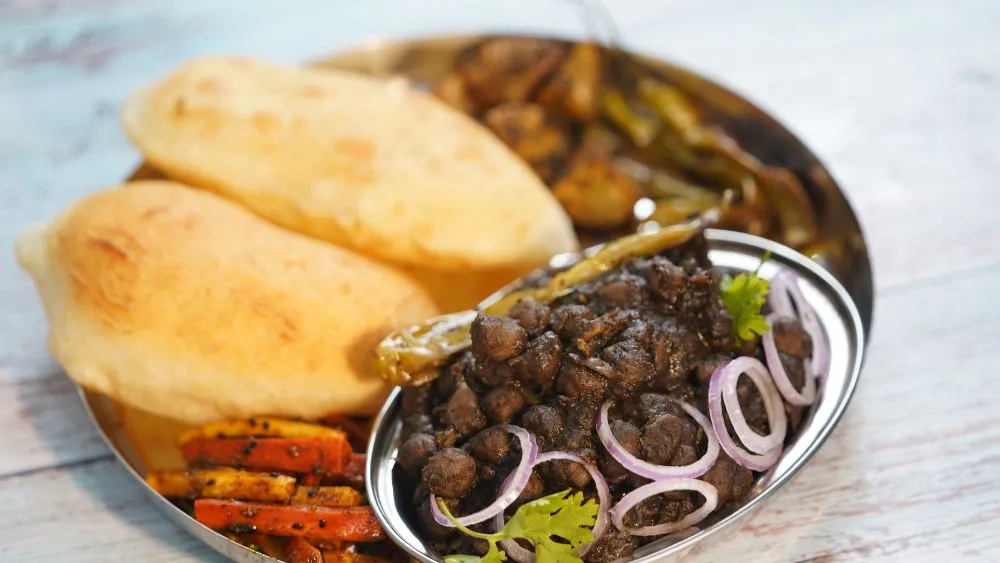
Let's start with the dish that, for me, embodies Delhi's post-Partition pulse: Chole Bhature. Picture this: fluffy, deep-fried bread (bhature) paired with spicy chickpea curry (chole), garnished with pickled onions, green chilies, and a dollop of tangy achaar. It's breakfast, lunch, or even dinner – versatile like the city itself. My love affair began on a foggy winter morning in Paharganj. I was nursing a hangover from a friend's wedding, and the sizzle from a nearby cart drew me in. That first bite? Crispy exterior giving way to soft dough, mingling with the garlicky, ginger-infused chole – pure bliss. It's comfort food that warms you from the inside, especially in Delhi's biting cold.
Origins trace back to Punjab, but Chole Bhature truly found its Delhi identity after 1947. Legend has it that Sita Ram, a refugee from West Punjab, migrated to Delhi with his son Diwan Chand during the Partition. They set up a small shop, selling the first plate for just 12 annas (about 75 paise today). It was born out of necessity – simple ingredients like chickpeas (affordable and filling) combined with leavened bread fried in oil. By the 1950s, it had become a staple, evolving from Punjabi roots into a Delhi icon. Some say the bhature's puffiness draws from Persian influences via Mughal kitchens, but it's the Partition refugees who popularized it here. In 2025, with food inflation, chickpeas remain a budget hero, symbolizing resilience amid chaos.
Where do locals eat? Skip the fancy cafés; head to street-side haunts. Sita Ram Diwan Chand in Paharganj is legendary – that's where I go for my fix. It's run by the fifth generation now, serving the same recipe since 1950. The chole simmers for hours in a massive pot, infused with black cardamom and cloves for that authentic depth. Another spot is Chache Di Hatti in Kamla Nagar, popular among Delhi University students. I once spent an afternoon there, chatting with vendors about how they source chickpeas from local mandis. For a more neighborhood vibe, Nagpal Di Hatti in Gandhi Nagar draws families – their bhature are extra fluffy, thanks to a secret yogurt fermentation.
Price points in 2025? Affordable as ever. A plate at Sita Ram costs around ₹100-150, while street carts go as low as ₹60. At upscale spots like Haldiram's, it might hit ₹200, but that's for air-conditioned comfort. Authenticity lies in the oil – pure ghee or mustard oil, not refined stuff. Look for places where the chole has a dark, tangy hue from amchur (dried mango powder) and no shortcuts like canned chickpeas. Pro tip: Pair it with lassi for ₹50 to cut the spice. In my experience, the best ones leave your fingers oily and your heart full – a true Delhi embrace.
Paratha from Paranthe Wali Gali: Layers of Mughal Legacy
If Chole Bhature is Delhi's hearty hug, then the paratha from Paranthe Wali Gali is its layered narrative – flaky, stuffed, and steeped in history. These aren't your basic flatbreads; they're stuffed with everything from potatoes to exotic fruits, fried in ghee till golden. I recall a rainy monsoon day in 2022, dodging puddles in Chandni Chowk to reach this narrow lane. The aroma of sizzling dough hit me first, and I devoured an aloo paratha with pumpkin sabzi on the side. It was like biting into Delhi's past – simple yet indulgent.
The origins? Paranthe Wali Gali dates to the 1650s, during Shah Jahan's reign, when Chandni Chowk was built. Initially a silver market, it transformed in the late 1800s when a Brahmin family from Gwalior opened the first stuffed paratha shop. Parathas themselves hail from Punjab and North India, but here they're unique – no onions or garlic, keeping it pure vegetarian for temple-goers near the nearby Jain temple. Served on pattals (leaf plates) with lassi in kulhars (clay pots), it's a nod to sustainable traditions. By the 20th century, it became a hub for freedom fighters and locals, evolving with fillings like papaya or cashew to attract diverse palates.
Locals flock to Pt. Babu Ram Paranthe Wala, established in 1886 – the oldest. I love sitting on their wooden benches, watching the tawa masters at work. The dough is kneaded with ghee, stuffed, and fried shallow – not deep-fried like imposters. Another fave is the gali itself, a collective of shops like Pt. Kanhaiya Lal Durga Prasad Dixit (1875 vintage). University folks and office workers grab quick bites here during lunch rushes. In 2025, with metro expansions, it's easier to access, but the charm remains in the chaos.
Prices? Wallet-friendly: ₹60-100 per paratha, with sides at ₹20-50. Authenticity demands pure ghee frying and fresh fillings – no frozen stuff. My tip: Try the rabri paratha for a sweet twist; it's like dessert in bread form. This dish defines Delhi's blend of royal Mughal influences with street-smart innovation.Butter Chicken: The Creamy Revolution from Peshawar
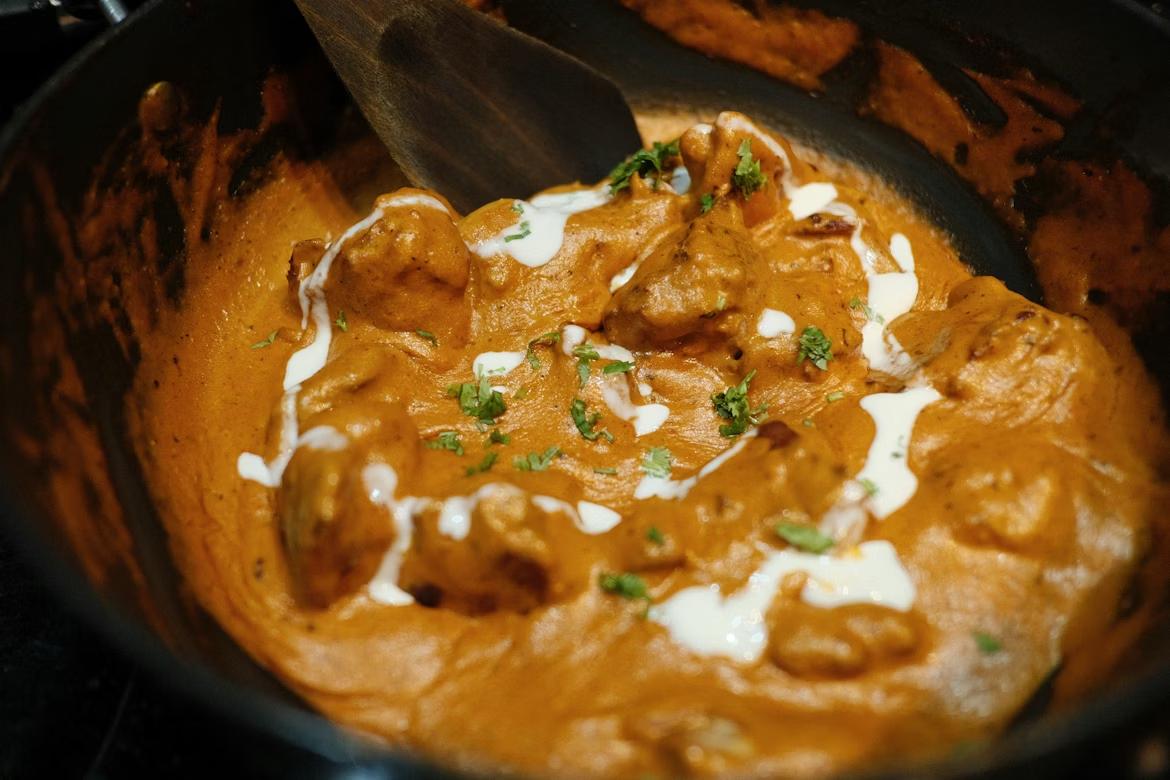
Butter Chicken, or Murgh Makhani, is Delhi's global ambassador – tender chicken in a velvety tomato-butter gravy, often with cream and kasuri methi. My defining moment? A late-night craving in 2024 at a dhaba near India Gate. The smoky tandoori chicken dunked in that rich sauce, mopped with naan – it was euphoria. It's the dish that turns skeptics into believers, blending spice with silkiness.

Born in the 1950s at Moti Mahal in Daryaganj, it was invented by Kundan Lal Gujral and Kundan Lal Jaggi, refugees from Peshawar. They repurposed leftover tandoori chicken by simmering it in a buttery tomato sauce to prevent drying. Post-Partition, it symbolized adaptation – turning scarcity into luxury. Gujral, who also popularized tandoori chicken, made it a hit among Delhi's elite. Today, legal battles rage over its invention, but its Delhi roots are undisputed.
Locals swear by Aslam Chicken in Jama Masjid – not the fancy version, but street-style with extra butter. I once queued for 30 minutes there, amid the mosque's call to prayer. Rajinder Da Dhaba in Safdarjung is another: their gravy is smokier, from charcoal tandoors. For upscale, Gulati on Pandara Road – diplomats' fave, where I celebrated a promotion.
Prices in 2025: ₹200-400 for a half portion at dhabas, up to ₹600 at restaurants. Authenticity: Charred chicken first, then gravy – no shortcuts like boiled meat. It's Delhi's creamy comfort, echoing its layered


Kebabs from Old Delhi: Smoky Whispers of Sultanate Eras
Kebabs in Delhi are poetry on a skewer – minced meat, spiced, grilled over coals. My initiation? A Ramadan iftar in 2019 at Jama Masjid, where the air hummed with seekh kebabs' aroma. Juicy, smoky, with mint chutney – it was a sensory overload, connecting me to centuries-old traditions.
Origins go back to the 13th century Delhi Sultanate, when Turkish and Persian influences brought skewered meats. Mughals refined them – think galouti for toothless nawabs. In Delhi, Old Delhi's kebabs evolved from royal feasts to street food post-1857. Partition added Punjabi twists, like creamier versions.
Locals hit Qureshi Kabab Corner near Jama Masjid – family-run since generations, their buff kebabs melt in your mouth. I love Babu Bhai in Chitli Qabar for budget bites. Karim's is iconic, but for authenticity, Abdul Ghani Qureshi – no frills, just fire-kissed meat.
Prices: ₹100-300 per plate. Authenticity: Hand-pounded meat, coal grilling – no ovens. It's Delhi's fiery spirit, from sultans to streets.
Chaat: The Tangy Tapestry of Street Symphony
Finally, Chaat – that explosive mix of crispy, tangy, sweet, and spicy. Focusing on Gol Gappe (pani puri), it's hollow crisps filled with spiced water, potatoes, and chutneys. My story? A summer evening in Karol Bagh, bursting gol gappe one after another, water dribbling down my chin. It's addictive, a flavor bomb that screams Delhi's playful side.
Origins in Uttar Pradesh, but Delhi's chaat draws from Ayurvedic roots – medicinal mixes for digestion. "Chaat" means "to lick," from Prakrit "cattei." It dates to Vedic times, evolving in royal kitchens before hitting streets. In Delhi, it's ubiquitous, from Shah Jahan's era to today.
Locals love Vaishnav Chaat Bhandar in Kamla Nagar – their gol gappe water is perfectly balanced. I frequent Prince Chaat in GK for variety. Raju Chaat in Ashok Vihar is a hidden gem, bustling with families.
Prices: ₹50-100 for a plate. Authenticity: Fresh puris, homemade pani – no bottled stuff. It's Delhi's chaotic joy, uniting all

Conclusion: Savoring Delhi's Edible Heritage
These five dishes aren't just food; they're Delhi's diary – from Partition pains to Mughal magnificence. As I reflect on my journeys, from foggy mornings to starry nights, they remind me of the city's enduring flavor. In 2025, with sustainability trends, many spots use local sourcing, keeping traditions alive. Dive in, explore, and let Delhi's streets feed your soul.
FAQ
What are the origins of Chole Bhature in Delhi?
It originated post-Partition with refugees like Sita Ram introducing it in the 1940s.
Where can I find authentic Butter Chicken in Delhi?
Try Aslam Chicken or Rajinder Da Dhaba for street-style authenticity.
How much does a plate of Paratha cost in Paranthe Wali Gali?
Around ₹60-100 per paratha in 2025.
What makes Delhi's Kebabs unique?
Their Mughal and Sultanate influences, with hand-pounded meat and coal grilling.
Is Chaat healthy, and where to eat it?
It's digestive-friendly with spices; head to Vaishnav Chaat Bhandar.
Why is Delhi's food scene famous?
For its blend of history, diversity, and street culture in dishes like these.