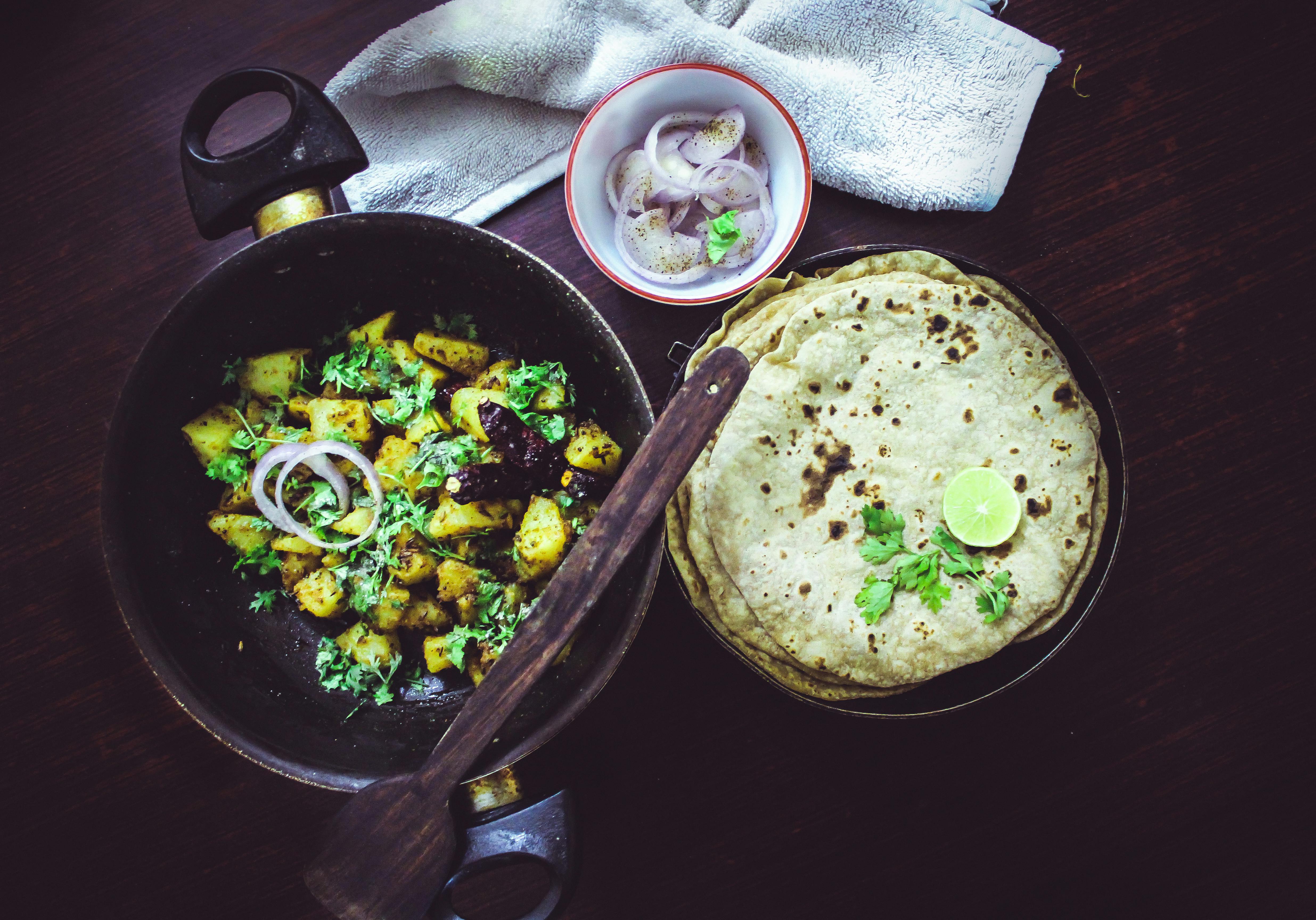
Bajra Roti Easy Homemade Recipe, Calories, Benefits & More
It was a crisp December evening in our little home in Agra, the kind where the chill seeps through the windows and makes you crave something hearty and soul-soothing. My mother would light the gas stove, pull out the old steel dabba of fresh bajra atta (pearl millet flour), and start kneading with warm water. The earthy, nutty aroma would fill the kitchen as she patted the dough into thick, rustic bajra roti. Served hot with a dollop of white butter (makhan) and a side of sarson ka saag or garlic chutney, those rotis were pure comfort – keeping us warm from the inside out during those foggy winter nights.
Even today, on this chilly January 11, 2026, when the temperature dips in Uttar Pradesh, bajra roti remains my go-to winter staple. It's not just food; it's tradition, health, and nostalgia rolled into one simple flatbread. If you're searching for an easy bajra roti recipe that's gluten-free, nutritious, and perfect for weight watchers or diabetics, you've come to the right place. This detailed guide covers everything: how to make soft, perfect bajra roti at home, its calories (including 1 bajra roti calories), and the incredible benefits of bajra roti.
What is Bajra Roti? A Quick Introduction to This Winter Superfood
Bajra roti (also called bajre ki roti or bajra bhakri) is a traditional unleavened flatbread made from pearl millet flour. It's especially popular in Rajasthan, Gujarat, Haryana, and Punjab during winter because bajra generates heat in the body, making it ideal for cold weather. Unlike wheat roti, it's naturally gluten-free, thicker, and has a rustic texture with a nutty flavor.
In villages, it's cooked on earthen tawa over wood fire for that smoky taste, but in modern kitchens, a regular tawa works perfectly. The best part? It's incredibly easy to make – no fermentation, no fancy ingredients – just flour, warm water, and a bit of practice.
The Incredible Benefits of Bajra Roti – Why You Should Eat It Daily
Bajra (pearl millet) is one of nature's most underrated superfoods. Here's why including bajra roti in your diet can transform your health:
- High Fiber for Digestion & Weight Loss — Bajra is loaded with dietary fiber (around 3–4g per roti), which aids digestion, prevents constipation, and promotes gut health. The fiber makes you feel full longer, reducing overeating – perfect for weight management.
- Low Glycemic Index (GI) – Great for Diabetes — With a low-to-medium GI (around 66), bajra roti releases energy slowly, preventing blood sugar spikes. It's excellent for diabetics and those managing insulin resistance.
- Rich in Essential Minerals — Packed with iron (helps fight anemia), magnesium (supports heart health and blood pressure), phosphorus (for strong bones), and zinc (boosts immunity).
- Gluten-Free & Alkaline — Ideal for gluten-intolerant people or those with celiac disease. It's alkaline, soothing for the stomach.
- Heart-Healthy & Antioxidant-Rich — Helps lower bad cholesterol, reduces inflammation, and provides sustained energy without crashes.
- Winter Warmth & Sustained Energy — Complex carbs release energy slowly, keeping you warm and active in cold weather.
Regular consumption can help with weight loss, better digestion, stronger bones, and overall wellness. Many switch to bajra roti for its superior nutrition compared to regular wheat roti.
Calories in Bajra Roti – Nutritional Breakdown (Per Roti)
One of the most common searches is "bajra roti calories" or "1 bajra roti calories". Here's the approximate value based on standard homemade versions:
- 1 medium bajra roti (about 40–50g, 6–7 inches): 110–150 calories
- Carbs: 22–28g (mostly complex)
- Protein: 3–4g
- Fiber: 3–4g
- Fat: 1–2g (increases with ghee/butter)
A small piece (30g) might be around 80–90 calories, while a larger one (50g) can reach 120–150. These are plain rotis without added ghee. Adding a teaspoon of ghee bumps it up by 40–50 calories but enhances taste and softness.
Compared to wheat roti (around 120 calories for similar size), bajra roti is similar or slightly lower, but with more fiber and better glycemic control – making it superior for health-conscious eaters.
Easy Bajra Roti Recipe – Step-by-Step for Soft & Perfect Results
This easy bajra roti recipe makes 6–8 rotis and takes about 30 minutes total (prep + cooking). No advanced skills needed!
Ingredients (for 6–8 rotis):
- 2 cups bajra atta (fresh pearl millet flour – use within 2 weeks for best results)
- Warm/hot water (as needed, about 1–1.5 cups)
- Salt to taste (optional, ½ tsp)
- Ghee or butter for serving (optional)
Step-by-Step Method – How to Make Soft Bajra Roti:
- Prepare the Dough (The Key to Softness) In a wide bowl, take bajra flour and add salt. Gradually pour warm/hot water (not boiling – test with your finger; it should feel comfortably hot). Start mixing with your hand or spoon. Knead for 5–10 minutes into a soft, smooth, pliable dough. It should not be dry/crumbly or too sticky. Pro Tip for Soft Rotis: Use hot water – it gelatinizes the starch, making the dough easier to handle and rotis softer. Knead well; no gluten means more kneading for elasticity.
- Rest the Dough Cover and rest for 5–10 minutes. This relaxes the dough and makes patting easier.
- Shape the Roti (Traditional Patting Method) Divide dough into lemon-sized balls. Dust your palms with dry bajra flour. Take one ball, flatten slightly, and gently pat between palms while rotating. Keep patting and turning to form a 6–8 inch thick circle (thicker than wheat roti). If it cracks, wet your hands slightly. Alternative (Easier for Beginners): Use a rolling pin on a floured surface (dust heavily with bajra flour to prevent sticking). Roll gently into a thick roti.
- Cook the Roti Heat a cast-iron tawa on medium-high. Place the roti on it. Cook for 1–2 minutes until bubbles appear and bottom gets light brown spots. Flip and cook the other side. For perfect puffing and smoky flavor: Place directly on flame for 10–15 seconds (use tongs) until it puffs up. Pro Tip: Medium flame for even cooking; don't overcook or it becomes hard.
- Serve Hot Smear with ghee or white butter immediately – this keeps it soft. Serve with sarson ka saag, garlic chutney, jaggery, or any dry sabzi.
Tips for Perfect, Soft Bajra Roti Every Time:
- Fresh flour is crucial – old flour cracks easily.
- Hot water + good kneading = soft texture.
- Keep rotis thick (don't roll too thin).
- Cook on medium heat; puffing on flame adds flavor.
- Store leftovers in airtight container; reheat on tawa with ghee.
How to Serve & Pair Bajra Roti
- Classic winter combo: Bajra roti + sarson ka saag + white butter.
- With garlic chutney, jaggery, or yogurt for simple meals.
- Pair with dal, veggies, or pickles for balanced nutrition.
Final Thoughts: Bring Home the Warmth of Tradition
Every time I make bajra roti, I remember those winter evenings in Agra – the steam rising from the tawa, the laughter around the table, and the feeling of warmth that only homemade food brings. In 2026, as we embrace healthier eating, this simple, easy millet roti stands out for its nutrition, low calories, and incredible benefits of bajra roti.
Whether for weight loss, diabetes control, or just pure comfort, add bajra roti to your winter menu. It's gluten-free, fiber-rich, and keeps you full longer – the perfect upgrade from regular rotis.
Try this recipe today and share your experience! How many rotis do you eat in one sitting? Let me know in the comments. Stay warm, stay healthy! 🌾🔥