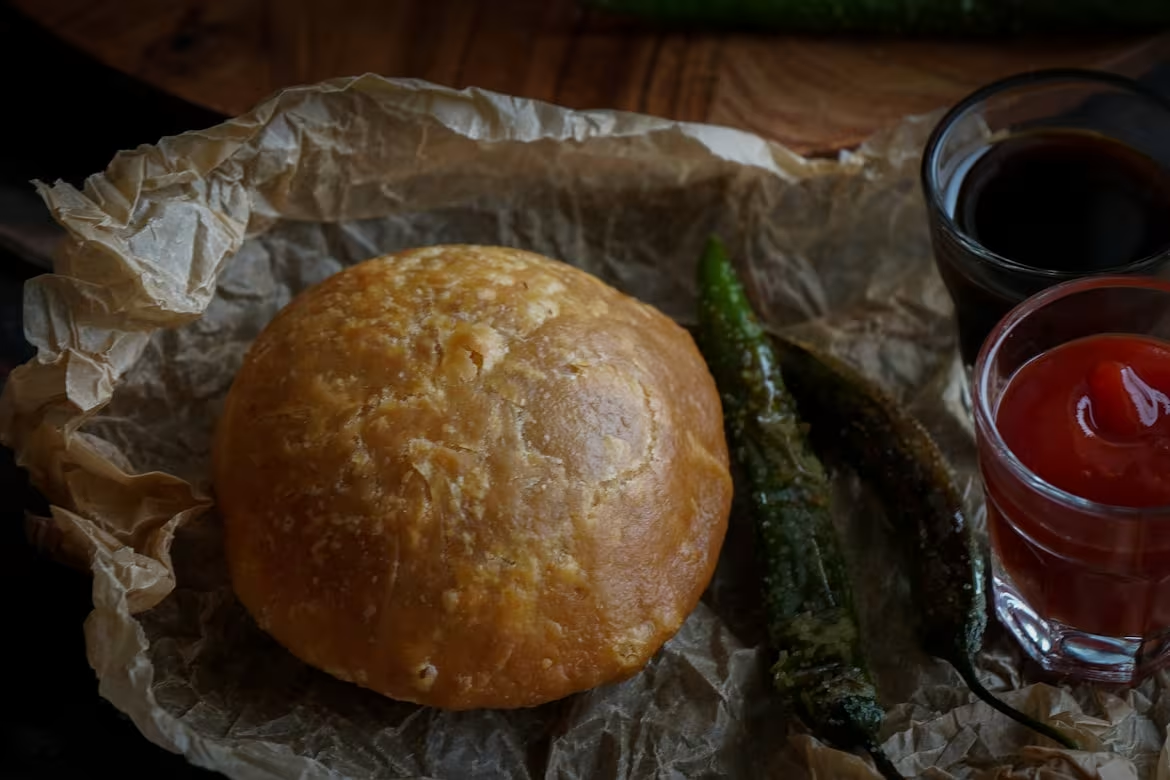
Khasta Kachori Recipe – Crispy, Flaky Delhi-Style
It was a crisp January morning in Meerut back in 2015, the kind where the fog hangs low over the streets and the only thing that can cut through the chill is the sizzle of hot oil and the aroma of fresh spices. I had just moved to a small rented room near the university for my studies, far from home, and homesickness hit hard. On weekends, I'd hop on a bus to Delhi – just an hour away – chasing the promise of street food that felt like family.
One such trip landed me in Chandni Chowk's chaotic lanes. The air was thick with the smell of frying ghee, roasted cumin, and something deeply comforting. I followed my nose to a tiny stall near Paranthe Wali Gali – a vendor frying golden, puffed kachoris in a massive kadhai. He crushed one on a plate, topped it with spicy aloo sabzi, tangy imli chutney, and a sprinkle of chaat masala. The first bite? Pure magic. Crispy layers shattering, warm moong dal filling bursting with fennel and chili, the sabzi soaking everything in savory warmth. That day, khasta kachori became my Delhi comfort food – the snack that turned a lonely student into someone who felt right at home in the capital's chaos.
Years later, on this foggy January 13, 2026 afternoon in Meerut, when the winter sun is weak and the craving strikes again, I head to my kitchen. No street stall today – just me recreating that flaky, hollow-centered khasta kachori at home. This recipe is my tribute to those Delhi mornings: authentic Rajasthani-style moong dal khasta kachori, perfect for breakfast with aloo sabzi, as evening tea-time snack, or even turned into kachori chaat for festivals like Holi or Diwali.
Whether you're in Delhi hunting for the real deal at Fateh ki Kachori in Civil Lines or Jung Bahadur in Chandni Chowk, or making it at home like me, this version captures the soul – crispy, spicy, and soul-satisfying.
What Makes Khasta Kachori Special? The Story Behind the Flakiness
Khasta means "flaky" or "crisp" in Hindi, and that's exactly what we're chasing. The outer shell puffs up beautifully during slow frying, creating layers that shatter with each bite, while the inside stays hollow and light. The secret? A well-kneaded dough with ghee or oil for tenderness, and patient frying on low-medium heat so the pastry cooks through without burning.
The filling – spiced moong dal – is earthy, nutty, and aromatic with fennel, coriander, and dry mango powder. No onion, no garlic here – pure sattvic flavors that make it perfect for Jain-style or lighter days.
In Delhi, khasta kachori is often served as breakfast with aloo sabzi or as chaat topped with yogurt, chutneys, and sev. In Meerut and nearby UP towns, it's a monsoon favorite with hot chai.
Ingredients for Perfect Khasta Kachori (Makes 12–15 medium kachoris)
For the Outer Dough (Covering):
- 2 cups (250g) all-purpose flour (maida) – for ultimate flakiness
- ¼ cup (60ml) melted ghee or oil
- ½ tsp salt
- ½–¾ cup cold water (add gradually)
For the Moong Dal Filling:
- ½ cup (100g) yellow moong dal (split skinless) – soaked 2–3 hours
- 2–3 tbsp oil or ghee
- 1 tsp cumin seeds
- 1 tsp fennel seeds (saunf) – coarsely crushed
- 1 tsp coriander powder
- ½ tsp red chili powder (adjust for heat)
- ½ tsp turmeric powder
- 1 tsp dry mango powder (amchur)
- ½ tsp garam masala (optional)
- ¼ tsp asafoetida (hing)
- Salt to taste
- 1–2 tbsp besan (gram flour) – optional, for binding if filling is moist
For Frying:
- Oil for deep frying (enough to submerge kachoris)
For Serving (Delhi Street-Style):
- Spicy aloo sabzi (potato curry)
- Green chutney
- Tamarind chutney
- Yogurt (for chaat version)
- Sev, chopped coriander, chaat masala
Step-by-Step: How to Make Khasta Kachori at Home Like a Delhi Halwai
Step 1: Prepare the Dough – The Foundation of Flakiness In a wide bowl, take maida and salt. Add melted ghee/oil. Rub it into the flour with your fingertips until it resembles breadcrumbs – this creates those flaky layers. Gradually add cold water and knead into a firm, smooth dough (not too soft). Cover with a damp cloth and rest for 30 minutes. This relaxes the gluten for easier rolling and better puffing.
Step 2: Make the Moong Dal Filling – The Heart of the Kachori Drain soaked moong dal. Grind coarsely (not paste – we want texture). Heat 2–3 tbsp oil/ghee in a pan. Add cumin seeds, let crackle. Add hing, then coarsely ground fennel. Add ground moong dal. Roast on low-medium flame for 8–10 minutes until fragrant and lightly golden. Add all spices: coriander powder, red chili, turmeric, amchur, garam masala, salt. Stir 2–3 minutes. If mixture is too wet, add 1–2 tbsp besan and roast until dry and crumbly. Cool completely.
Step 3: Shape the Kachoris Divide dough into 12–15 lemon-sized balls. Flatten one ball, place 1–1½ tbsp filling in center. Seal edges tightly, roll gently into a ball. Flatten slightly (don't roll thin like poori – keep medium thick for puffing). Repeat for all.
Step 4: Fry to Perfection – The Make-or-Break Step Heat oil in a deep kadhai on medium flame. Test: drop a small piece of dough – it should rise slowly with bubbles. Slide 3–4 kachoris gently. Fry on low-medium heat for 12–15 minutes, turning occasionally. They should turn golden slowly – no rushing! They puff up beautifully if fried patiently. Drain on paper towels.
Step 5: Serve Hot – Delhi Style Serve plain with fried green chilies, or with aloo sabzi for breakfast. For chaat: Crush kachori, top with yogurt, chutneys, sev, onions/tomatoes (if not avoiding), coriander, and chaat masala.
Pro Tips from Years of Trial & Error (Delhi Street Secrets)
- Low & Slow Frying – High heat = burnt outside, raw inside. Low-medium = perfect khasta texture.
- Don't Overfill – Too much filling prevents puffing.
- Oil Temperature – Consistent medium is key. If oil cools too much, kachoris absorb oil.
- Storage – Store cooled kachoris in airtight container up to 4–5 days. Reheat in oven/air fryer for crispiness.
- Jain/No Onion-Garlic Version – This recipe already is! Skip hing if strict.
- Variations – Try peas (matar) filling or onion (pyaaz) for non-Jain days.
Nutrition Snapshot (Approximate per Medium Kachori, Plain)
- Calories: 180–220 kcal (varies by size & oil absorbed)
- Carbs: 20–25g
- Protein: 4–6g (from moong dal)
- Fat: 9–12g (mostly from frying)
- Fiber: 2–3g
One piece is indulgent – enjoy occasionally as treat!
Why This Khasta Kachori Recipe Feels Like Home in Delhi (or Meerut)
Every time I make these, I remember those foggy Delhi mornings – the vendor's call, the steam rising from sabzi, the first crunchy bite. In Meerut now, it's my way of bringing that joy home. Perfect for winter evenings, festive platters, or when friends drop by unannounced.
Try it this weekend. Fry a batch, call over neighbors, and watch faces light up. That's the real magic of kachori – it turns any ordinary day into celebration.
What's your favorite way to eat kachori – plain with sabzi or loaded chaat? Share in comments! And if you're in Delhi, which stall is your go-to? Fateh ki? Jung Bahadur? Let's swap stories.
Happy frying, stay warm, and keep those kadhais hot! 🌶️🔥