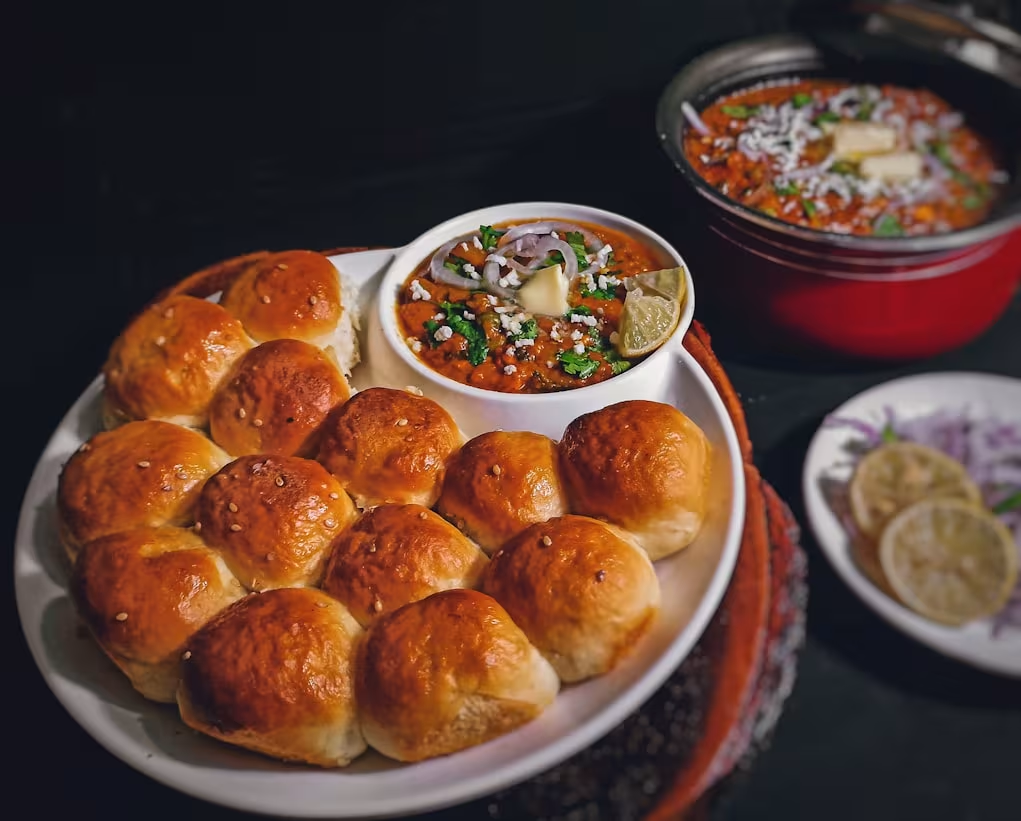
Pav Bhaji Recipe – Authentic Mumbai-Style Street Food at Home 2026
It was a drizzly October evening in 2012, and I had just stepped off the train at New Delhi Railway Station after a grueling 36-hour journey from Mumbai. I was twenty-two, fresh out of college, carrying a battered suitcase and dreams bigger than the platform itself. The air was thick with the smell of chai, samosas, and something irresistibly buttery that pulled me like a magnet toward the station's food stalls.
There it was – a small thela with a massive tava, flames dancing underneath, and a bhaji wala smashing vegetables with rhythmic thuds of his heavy pav bhaji masher. "Ek plate pav bhaji, bhaiya," I said, my voice barely audible over the chaos. He slathered butter on soft pav, toasted them golden, then loaded a steel plate with steaming orange-red bhaji, topped it with a massive dollop of Amul butter that melted instantly, sprinkled raw onions, coriander, and a squeeze of lemon.
That first bite? Heaven. The bhaji was spicy, tangy, buttery, with potatoes melting into cauliflower, peas bursting with flavor, and tomatoes tying everything together. The pav soaked up the gravy just right. In that moment, amid the honking trains and rushing crowds, pav bhaji wasn't just food – it was comfort, celebration, and a taste of Mumbai's chaotic soul transplanted right into Delhi.
Fast-forward to January 13, 2026. I'm sitting in my cozy kitchen in Meerut, the winter fog pressing against the window just like that Delhi evening years ago. The kids are playing nearby, my husband is working from home, and the craving hits again – that unmistakable urge for pav bhaji. No train journey needed. No street stall hunt. Just my pressure cooker, a handful of veggies, and the homemade pav bhaji masala I've perfected over the years.
This recipe isn't from a cookbook. It's from countless trials in tiny rented kitchens across Delhi-NCR, from late-night cravings during MBA exams in Noida, from Diwali parties in Gurgaon where guests demanded seconds, from rainy evenings in Meerut when the family gathered around the dining table slurping bhaji straight from the serving bowl.
If you've ever stood at Juhu Beach watching the sunset with a plate of pav bhaji, or queued up at Sardar Pav Bhaji in Mumbai, or simply grabbed a quick plate at a Delhi food court – this version will take you right back. And if you've never tried it? Welcome to one of India's greatest street food love stories.
Why Pav Bhaji is More Than Just a Dish – The Magic of Mumbai's Gift to the World
Pav bhaji originated in the 1850s in Mumbai's textile mills. Workers needed a quick, nutritious, affordable meal during short lunch breaks. Clever street vendors mashed leftover vegetables into a spicy gravy (bhaji), served with Portuguese-introduced bread rolls (pav), and loaded it with butter for energy. What started as mill workers' fuel became Mumbai's iconic street food – now loved across India and the world.
In Delhi-NCR, pav bhaji has its own fan following. From the legendary stalls at Connaught Place to food trucks in Hauz Khas, from home kitchens in Meerut to party caterers in Noida – everyone has their twist. Some add beetroot for color, some go heavy on butter, some keep it light for kids.
What makes it perfect for Delhi winters? It's warm, filling, one-pot (almost), and brings people together around the table. In 2026, with busy work-from-home schedules and chilly evenings, pav bhaji is still the ultimate comfort food – ready in under 40 minutes, using everyday veggies, and customizable for picky eaters.
The Ingredients That Create the Magic – Simple Pantry Staples
(Serves 4–6 | Adjust butter as per your love for it)
For the Bhaji (The Star Gravy):
- 4 medium potatoes (boiled, peeled, roughly mashed) – the creamy base
- 1 cup cauliflower florets
- ½ cup green peas (fresh or frozen)
- 1 large capsicum (finely chopped) – for that authentic crunch
- 2 large tomatoes (pureed) – about 1½ cups puree
- 1 medium beetroot (optional, grated – for vibrant color)
- 3–4 tbsp butter (Amul preferred) + extra for serving
- 2 tbsp oil
- 2–3 tbsp pav bhaji masala (Everest or MDH – homemade recipe below if you want)
- 1 tsp red chili powder (Kashmiri for color)
- ½ tsp turmeric powder
- 1 tsp cumin seeds
- Salt to taste
- 2–3 cups water (adjust for thickness)
For Toasting Pav:
- 12–16 pav (soft dinner rolls – Lijjat or local bakery)
- 4–5 tbsp butter
- 1 tsp pav bhaji masala (for sprinkling)
For Serving (The Fun Part):
- 1 large onion (finely chopped)
- 2 lemons (cut into wedges)
- Fresh coriander leaves (finely chopped)
- Extra butter dollops (as much as your heart desires)
- Green chutney or pickle on the side (optional)
Homemade Pav Bhaji Masala (If Store-Bought Isn't Available): Dry roast and grind: 2 tbsp coriander seeds, 1 tbsp cumin, 1 tsp fennel, 4–5 dry red chilies, 1-inch cinnamon, 4 cloves, 2 black cardamom, 1 tsp amchur, ½ tsp black pepper.
Step-by-Step: Bringing Mumbai's Street Magic to Your Meerut (or Delhi) Kitchen
Step 1: Prep the Veggies – The Foundation (10 minutes) Wash and chop cauliflower, capsicum. If using beetroot, peel and grate. Pressure cook potatoes (3 whistles), cauliflower, peas, and beetroot with 1 cup water and pinch of salt for 2 whistles. Mash roughly once cooled – keep some chunks for texture.
Step 2: The Aromatic Start – Tempering (5 minutes) Heat 2 tbsp oil + 2 tbsp butter in a large kadhai or heavy pan on medium flame. Add cumin seeds, let them splutter. Add finely chopped capsicum, sauté for 2–3 minutes until soft.
Step 3: Build the Flavor Base (5 minutes) Add tomato puree. Cook for 4–5 minutes until oil separates and raw smell vanishes. Add turmeric, red chili powder, 2 tbsp pav bhaji masala, salt. Mix well and cook 2 minutes.
Step 4: The Mashing Magic – Where It Becomes Bhaji (10 minutes) Add the mashed boiled veggies. Mix thoroughly. Add 1–2 cups water (depending on desired thickness – street style is semi-thick). Now the fun part: Take a heavy masher (or wooden pav bhaji masher if you have one) and mash everything together vigorously for 5–7 minutes. This breaks down veggies, blends flavors, and creates that signature smooth-yet-chunky texture. Add another 1 tbsp butter. Taste and adjust spices – it should be bold!
Step 5: Simmer & Butter Love (5 minutes) Lower flame, let bhaji simmer for 5 minutes. Add more water if too thick. Finish with a final generous dollop of butter – watch it melt and shine.
Step 6: Toast the Pav – The Buttery Crown (3 minutes) Slit pav horizontally (keep joined at one end). Heat a tawa, add 1 tbsp butter per batch. Sprinkle pinch of pav bhaji masala on butter. Place pav cut-side down, toast until golden and butter-soaked. Flip and toast lightly on other side.
Step 7: Serve Like a True Street Vendor Ladle hot bhaji into plates. Top with a massive dollop of butter (it should melt instantly). Sprinkle chopped onions, coriander. Serve with 2–3 toasted pav per person, lemon wedges on the side. Squeeze lemon, mix everything, and dig in!
Pro Tips from Years of Perfecting Pav Bhaji in Delhi-NCR Kitchens
- Butter is the Soul – Don't skimp! Street vendors use 100g+ per batch. At home, start with 4–5 tbsp and add more.
- Mashing is Key – The more you mash, the better the texture. Use a potato masher if no special tool.
- Color Secret – Beetroot or Kashmiri chili for that vibrant red without artificial color.
- Make-Ahead – Bhaji tastes even better next day. Refrigerate and reheat with extra butter.
- Kids Version – Reduce chili, add cheese on top.
- Healthier Twist – Use less butter, air-fry pav, add more veggies like carrots or beans.
- Delhi Touch – Some locals add a spoon of Delhi's famous chole masala for extra punch.
Variations That Became Family Favorites Over the Years
- Cheese Pav Bhaji – Top with grated cheese (kids' ultimate favorite)
- Jain Pav Bhaji – Skip potatoes, use raw banana + more pumpkin
- Paneer Pav Bhaji – Add crumbled paneer at the end
- Tawa Pulao Pav Bhaji – Mix leftover bhaji with rice for next-day lunch
- Fusion Fun – Serve in sliders or with garlic bread
Nutrition Snapshot (Approximate per Serving – 2 Pav + Bhaji)
- Calories: 450–600 kcal (butter-heavy version)
- Carbs: 60–70g (from potatoes & pav)
- Protein: 10–12g
- Fat: 25–35g (mostly from butter – good fats!)
- Fiber: 6–8g (veggie-packed)
Indulgent yet veggie-loaded – perfect occasional treat!
Why Pav Bhaji Brings People Together – My Delhi-NCR Stories
Over the years, pav bhaji has been there for everything:
- Hostel parties in Noida where we made it in electric rice cookers
- Rainy evenings in Gurgaon with friends huddled around the tawa
- Family Diwalis in Meerut where 20 people demolished three kadhais
- Even quiet solo dinners when homesickness for Mumbai hit
In 2026, with hybrid work and chilly winters, pav bhaji remains the dish that turns a regular Tuesday into celebration.
So this weekend, fire up your kadhai. Mash those veggies. Slather that butter. And create your own pav bhaji story.
Your family will thank you. Your taste buds will dance. And somewhere, a Mumbai street vendor will smile knowing his legacy lives on in a Meerut kitchen.
What's your pav bhaji memory? Beach sunset or Delhi food court? Extra butter or extra lemon? Drop it in the comments – let's swap stories!
Happy mashing, stay warm, and keep the butter flowing! 🧈🍲